The Villages / Lake County, FL service area

Paver sealing help for The Villages driveways, lanais, and pool decks

The Villages pavers take a steady beating from sun, irrigation overspray, golf-cart traffic, afternoon storms, and shaded lanai moisture. If the surface looks faded, sandy, stained, slick, or overdue for fresh sealer, a local paver sealing professional can review the surface condition, sealer path, and practical next step without requiring you to diagnose the issue before you reach out.

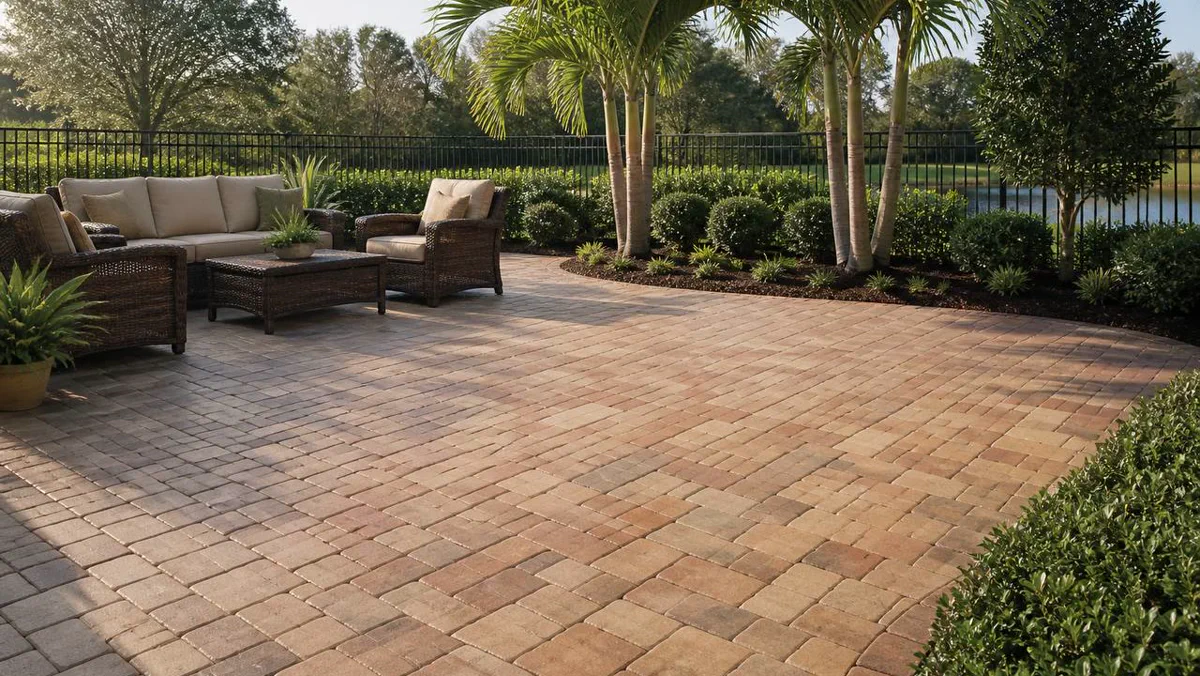
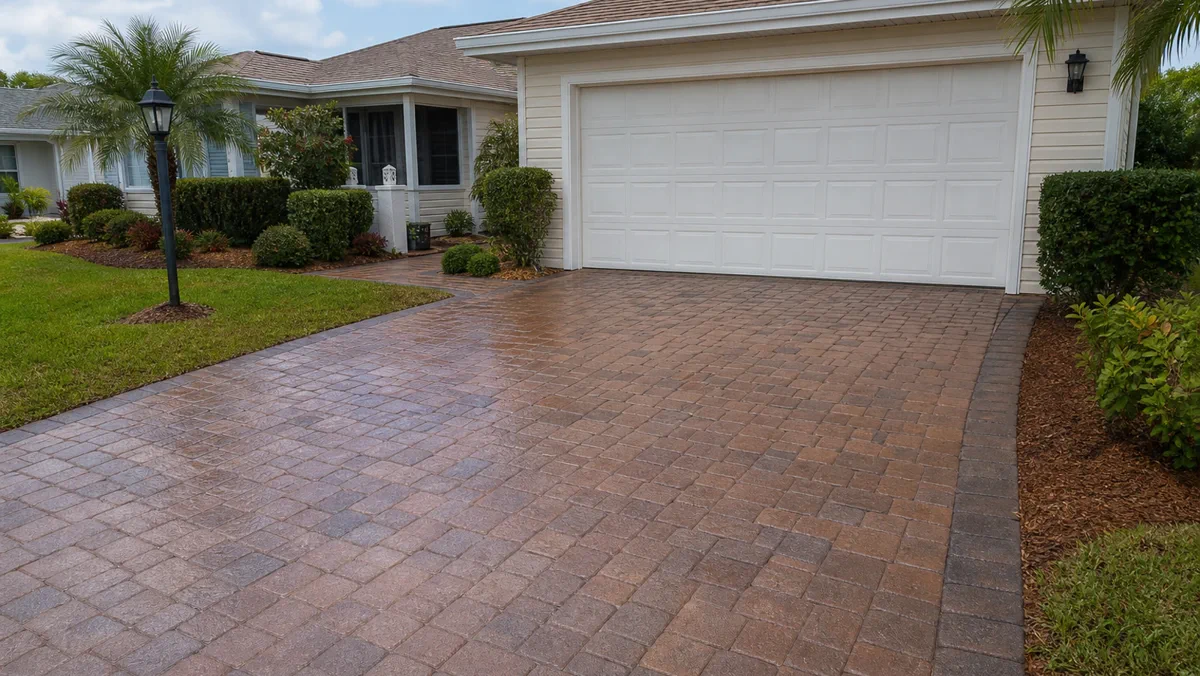
Freshly sealed paver driveway and walkway at a The Villages home
Fresh sealer, stable joint sand, and a cleaner surface should be easy to understand before product choices come up.

Request Paver Sealing HelpCall About Paver Sealing

Paver sealing issues this page can help with

Faded or dull paver color

Sun, age, traffic, and old sealer can leave driveways, lanais, patios, and pool decks looking worn.

Loose sand, weeds, or ants

Open joints and sand washout are common reasons The Villages homeowners ask about cleaning, sanding, and sealing.

White haze, rust, or stains

Visible marks from irrigation, leaves, moisture, or old sealer can be discussed before a sealing path is chosen.

Paver sealing problems in The Villages

When paver sealing may help your driveway, lanai, or pool deck

Homeowners in The Villages usually call because something visible changed: faded driveway color, loose joint sand, weeds, ants, white haze, irrigation rust, lanai mildew, or a pool deck that looks slick. The right next step depends on the surface and symptom, but you do not need to solve that on your own before reaching out.

For The Villages, a useful first note can be as simple as the paver area and the main concern: driveway fading, lanai stains, open joints, rust marks, white haze, tire marks, weeds, ants, or sand washing into low spots. If timing, gate access, renters, pets, HOA hours, or parking matters, that can be discussed during follow-up instead of becoming a barrier to calling.

Common symptoms on this page often involve joint sand loss, efflorescence, driveway tire marks, lanai drainage, or old sealer haze. The important point is to describe the symptom in normal language rather than trying to diagnose it perfectly.

Scheduling in The Villages works best when expectations stay realistic. Some paver issues are mainly cosmetic or maintenance-related; others need closer review before sealing makes sense. The business that performs the work should confirm pricing, timing, licensing, insurance, warranty details, materials, and the exact service approach directly before the homeowner approves anything.

When you call or use the form, a plain-language description is enough to start the conversation. For paver sealing in The Villages, those simple notes usually matter more than a long description. They help the follow-up focus on the right part of the property, ask better questions, and avoid treating a local service-area page like a copy of every other city page on the site.

A follow-up should clarify whether the concern is cleaning, sealing, joint sand loss, efflorescence, oil staining, tire marks, drainage, or old sealer failure. Surface condition, paver age, shade, irrigation overspray, and whether repairs are needed before sealing can affect what can be priced accurately.
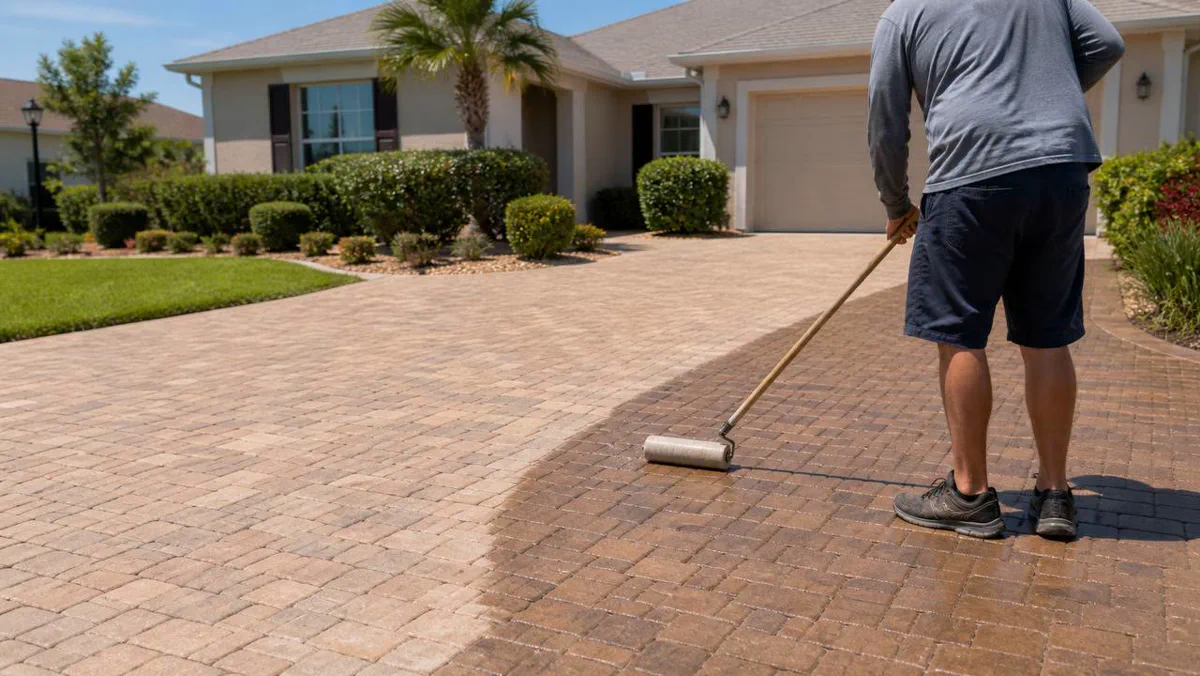
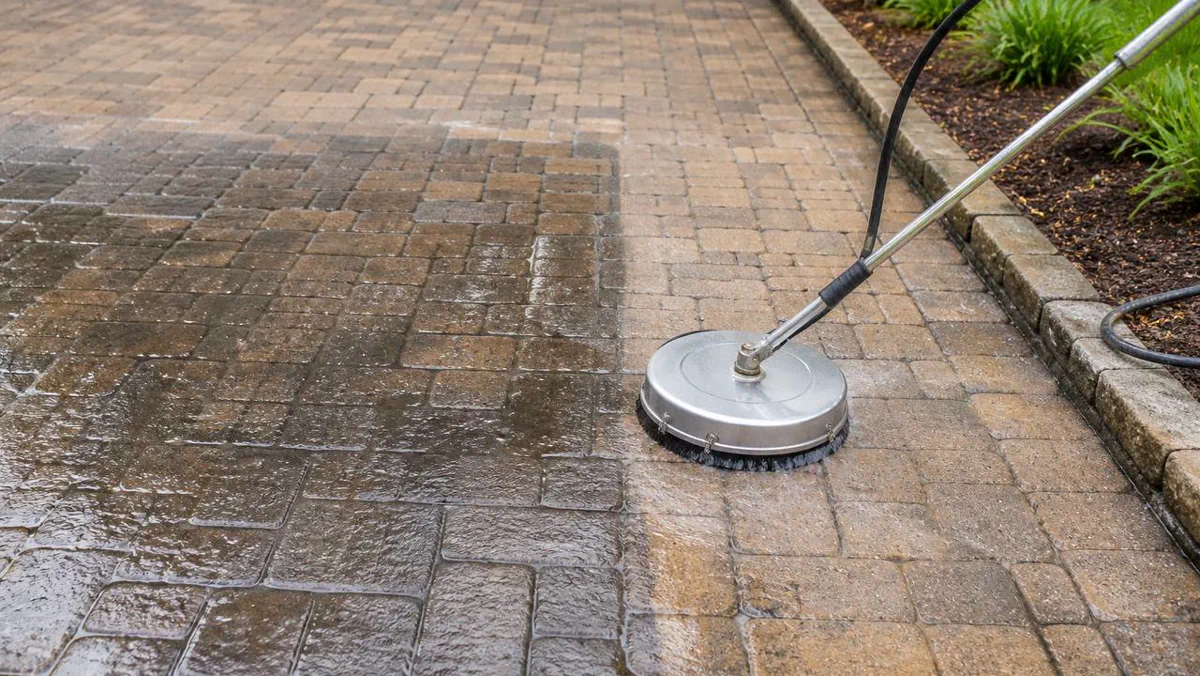
Before-service condition for The Villages Paver Sealing
The Villages homes deal with Central Florida weather, access, and wear patterns that can change how paver sealing should be handled.
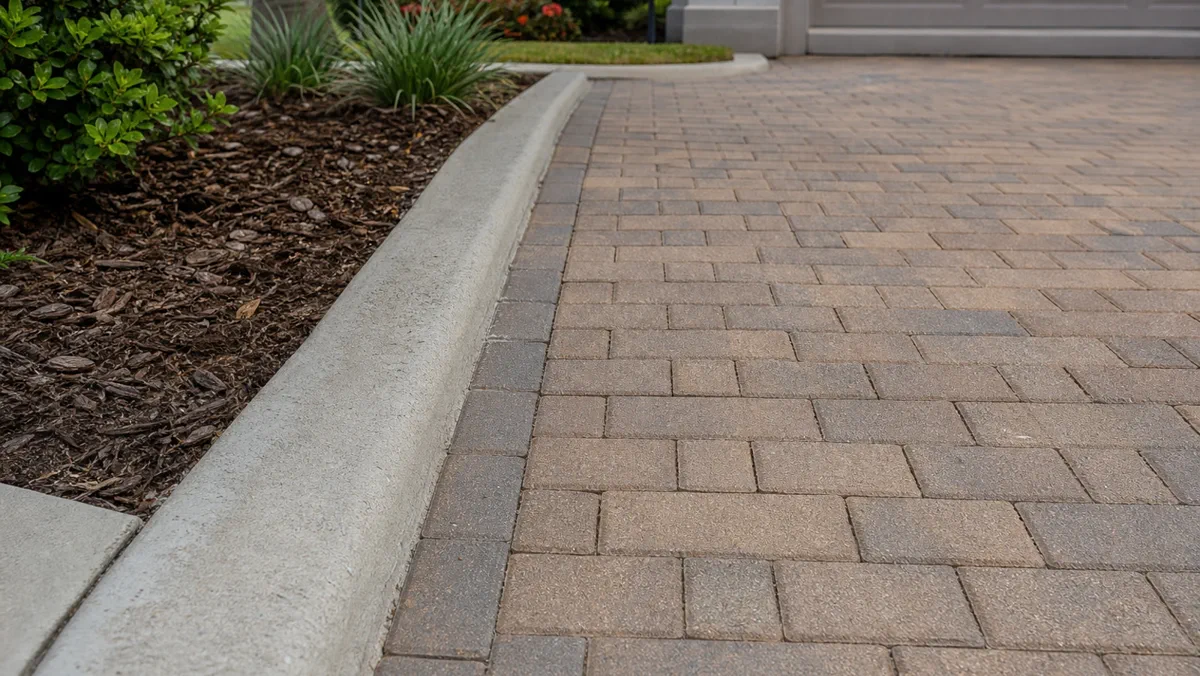
Finished project result for The Villages Paver Sealing
The goal is a clear next step for the paver area you care about, whether it is a driveway, lanai, walkway, or pool deck.

Paver sealing services for The Villages homes

Paver sealing around The Villages can include cleaning, stain attention, joint sand replacement, and a fresh sealer path for driveways, lanais, walkways, patios, and pool decks. You can reach out when the surface looks faded, sandy, stained, hazy, slick, or uneven; you can start by explaining what you are seeing.

Central Florida pavers often need cleaning and drying judgment before sealer is discussed. White haze can point to old sealer or efflorescence; weeds and ants can mean joint sand has opened; rust or leaf stains may need treatment before sealing; and shaded lanais can hold moisture longer than open driveways.

What affects paver sealing cost and timing

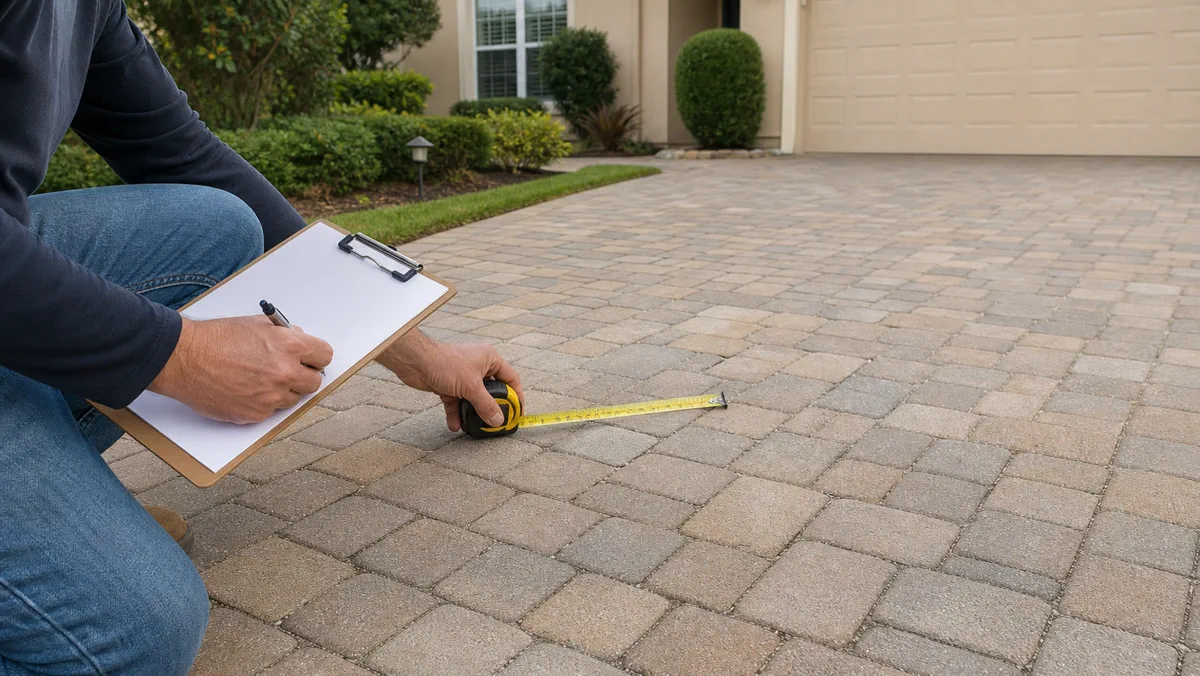
Cost and timing can change with surface size, cleaning needs, old sealer condition, joint sand loss, shade, drainage, irrigation rust, stains, weeds, ants, and driveway or lanai access. You do not need exact measurements before calling; a plain description is enough to start the conversation.

What happens after you call or request a quote

1. Start with what you see

Tell us in plain language if the pavers look faded, stained, sandy, loose, hazy, slick, or overdue for sealing.

2. Confirm the paver area

Mention whether it is a driveway, lanai, walkway, patio, or pool deck so the next step fits the surface.

3. Get a practical next step

The follow-up can clarify cleaning, sanding, drying, sealing, access, and quote expectations without making you inspect everything first.

The Villages paver sealing FAQs

What should I mention when requesting paver sealing help?

Describe the surface type, general location, and what looks wrong in plain language. You can mention fading, sand loss, weeds, stains, white haze, slick spots, or loose areas if you have noticed them, but you do not need measurements, photos, or a complete history before asking for help.

Does white haze always mean the pavers need to be stripped?

Not always. White haze can come from trapped moisture, efflorescence, over-applied old sealer, or residue. The age and condition of the old sealer can help decide whether cleaning, treatment, testing, or more intensive prep should be discussed.

Why does joint sand keep washing out in The Villages?

Joint sand can move because of irrigation overspray, driveway slope, roof runoff, pressure washing, ants, weeds, or older pavers with widened joints. Sealing over unstable joints without fixing the sand problem can leave the surface looking uneven again.

Can driveway, lanai, and pool-deck pavers be handled the same way?

They need similar planning but not identical prep. Driveways see tire marks and oil, lanais can hold shade and furniture stains, and pool decks need attention to drainage, splash zones, and surface slip expectations.

How long does paver sealing usually need dry weather?

Dry time depends on cleaning, shade, humidity, old sealer, and the product being used. The important first step is identifying whether the surface can dry evenly enough before sealer is applied.

What should I ask before hiring someone to seal pavers?

Confirm the prep steps, stain treatment limits, sand plan, sealer type, drying expectations, access needs, warranty language, licensing or insurance details, and what happens if weather delays the work.

Paver sealing problems and finished results

Paver problems that sealing can help with

The Villages Paver Sealing closeup around The Villages property
Common visible issues include dull color, staining, loose sand, weeds, ants, white haze, or areas that look uneven after rain or irrigation.
Paver project detail for The Villages Paver Sealing
The next step should match the surface: driveway, lanai, walkway, patio, pool deck, or another paver area around the home.
Finished project result for The Villages Paver Sealing
Finished pavers should look cleaner and more intentional, with the sealer discussion kept clear and practical.

Paver sealing issues in The Villages

Common paver sealing problems we see in The Villages

Paver sealing issues often start with visible symptoms: faded color, loose joint sand, weeds, ants, white haze, rust stains, irrigation marks, mildew, or slick shaded areas. Those symptoms are enough to ask for help.

The Villages homeowners do not need to become experts in sealer types before reaching out. A useful first call can start with the city or neighborhood, the surface involved, and the main symptom you want solved.

When faded, sandy, or stained pavers should be checked

Washed-out color, weeds in the joints, ants, white haze, rust, leaf stains, or sand collecting in low spots can point to maintenance that should be discussed before the surface gets worse. A quick call can help separate routine cleaning and sealing from a paver area that needs closer attention.

Why Central Florida pavers lose color and joint sand

Central Florida sun, humidity, afternoon storms, irrigation overspray, shade, roof runoff, ants, weeds, and pressure washing can all change how pavers age. Sealing over unstable sand, trapped moisture, or untreated stains can leave the surface looking uneven again, so the condition needs to be understood before the sealer path is chosen.

What to expect after you reach out

The first response should confirm the service area, clarify the symptom, explain what may need to be checked, and set realistic expectations for the next step. You should not need to know whether the answer is cleaning, sanding, stain treatment, or resealing before you call.

Paver sealing symptoms homeowners often notice

  • washed-out paver color that looks older than the house
  • weeds or ants opening joints between pavers
  • white haze, rust, irrigation, or leaf stains
  • pool deck or driveway sand washing into low spots

Mention any of these symptoms if you know them, but do not let missing details stop you from reaching out. The follow-up can ask for anything else needed.

At The Villages Paver Sealing Help, the first call stays practical: describe the surface concern in plain language, share where you are located, and ask what the likely next step is. That is enough to start.

The Villages and Wildwood paver sealing

Driveway and lanai paver sealing around The Villages

Searches for paver sealing in The Villages and Wildwood usually come from homeowners who can see fading, joint sand loss, weeds, ants, rust marks, white haze, or dull driveway color but are not sure whether they need cleaning, sanding, sealing, or stain attention first. The page should answer that naturally instead of repeating the same city phrase.

A useful first note can be as simple as the surface type and what looks wrong. If you happen to know the age of the last sealer, whether irrigation or shade is involved, or whether joint sand is washing out, that can help the follow-up discuss prep, drying time, joint sand, and realistic expectations for Central Florida pavers.

  • Wildwood and The Villages driveways with faded color or loose sand
  • Lanai and patio pavers with mildew, shade, or furniture-access issues
  • Rust, white haze, irrigation stains, weeds, ants, or old sealer concerns
  • Cleaning and sealing questions before seasonal guests or home sale prep
Call NowRequest Paver Sealing Help